NathalieDJURBERG & HansBERG
Song of the Sirens
Gió Marconi, Milan
01.10.–19.12.2026
Song of the Sirens
Gió Marconi, Milan
01.10.–19.12.2026
IT
NATHALIE DJURBERG & HANS BERG
Song of the Sirens
Inaugurazione: mercoledì 30 settembre 2026; 18-21
1 ottobre – 19 dicembre, 2026
martedì-sabato; 11-18
Gió Marconi, Via Tadino 15, Milano
La Galleria Gió Marconi è lieta di annunciare Song of the Sirens, la quinta mostra personale di Nathalie Djurberg e Hans Berg in galleria.
Proseguendo un dialogo e una collaborazione consolidati nel tempo, gli artisti tornano negli spazi storici di via Tadino 15, trasformando la galleria in un paesaggio sospeso tra apparizione e desiderio, memoria e immaginazione.
Immerse in una penombra diffusa, le sale sono attraversate da animazioni stop-motion. Ogni video ruota attorno a un singolo elemento scultoreo sovradimensionato — un naso, un orecchio, dei glutei — forme modellate in argilla e presentate come marmoree, isolate e amplificate, volutamente alterate e reinterpretate per accrescerne la forza evocativa. Al tempo stesso solenni e assurde, queste presenze sembrano appartenere a un repertorio simbolico in cui il corpo si fa frammento, reliquia ed enigma. Le animazioni si sviluppano attraverso gesti lenti e rituali, in una tensione costante verso qualcosa che non giunge mai a compiersi del tutto. Intorno ai grandi frammenti anatomici prendono forma figure, anch’esse modellate in argilla, dai tratti e dagli attributi volutamente amplificati, la cui presenza contribuisce a costruire una narrazione ambigua e aperta, sospesa tra attrazione e attesa. Nulla raggiunge una conclusione, nulla si offre pienamente allo sguardo: ogni azione rimane sulla soglia dell'accadere, trattenuta in uno stato di continua sospensione che alimenta il desiderio anziché soddisfarlo. Sculture dalla superficie marmorea raffiguranti frammenti del corpo umano scandiscono ulteriormente il percorso espositivo, fungendo da punti di ancoraggio all'interno di un ambiente che oscilla tra giardino e visione, tra paesaggio naturale e scenario onirico. Le loro forme riprendono e traducono nello spazio tridimensionale i motivi anatomici presenti nelle animazioni proiettate sulle pareti, instaurando un dialogo continuo tra le diverse sale della galleria. Dettagli corporei isolati, ingranditi e trasformati riaffiorano infatti lungo l’intera mostra in configurazioni differenti, dando vita a un lessico visivo ricorrente che contribuisce a unificare lo spazio e ad amplificare la sensazione di trovarsi all’interno di un paesaggio sospeso, dove immagini e oggetti sembrano riflettersi continuamente gli uni negli altri. Sul pavimento e alle pareti, un campo di fiori monumentali e fuori scala punteggia lo spazio espositivo: presenze silenziose che emergono da una sottile nebbia e che trasformano le sale in un giardino sospeso tra realtà e immaginazione. La loro scala amplificata altera la percezione dell'ambiente, contribuendo a definire uno scenario al tempo stesso familiare e straniante, in cui elementi naturali e visioni fantastiche convivono in un equilibrio precario.
Song of the Sirens rimanda al desiderio più che all'oggetto del desiderio. In questa mostra, la “sirena” diventa metafora di una tensione priva di un destinatario definito, di un desiderio che si è emancipato dal possesso e rimane aperto alla possibilità. È quell'istante sospeso tra il crepuscolo e l'alba in cui ciò che si osserva non è ancora del tutto distinguibile e l'immaginazione interviene a completare ciò che lo sguardo non riesce a definire. È lo spazio della suggestione, in cui il desiderio non viene mostrato ma evocato, ricordato, trasformato in racconto. Le narrazioni emergono dall'assenza, le fantasie si intrecciano al mito e ciò che appare inaccessibile trova una nuova dimensione attraverso l'immagine e la finzione.
Il desiderio diventa creatura, diventa monito, diventa poesia. Ciò che nella vita appare proibito si fa sacro nel momento della narrazione.
Song of the Sirens
Inaugurazione: mercoledì 30 settembre 2026; 18-21
1 ottobre – 19 dicembre, 2026
martedì-sabato; 11-18
Gió Marconi, Via Tadino 15, Milano
La Galleria Gió Marconi è lieta di annunciare Song of the Sirens, la quinta mostra personale di Nathalie Djurberg e Hans Berg in galleria.
Proseguendo un dialogo e una collaborazione consolidati nel tempo, gli artisti tornano negli spazi storici di via Tadino 15, trasformando la galleria in un paesaggio sospeso tra apparizione e desiderio, memoria e immaginazione.
Immerse in una penombra diffusa, le sale sono attraversate da animazioni stop-motion. Ogni video ruota attorno a un singolo elemento scultoreo sovradimensionato — un naso, un orecchio, dei glutei — forme modellate in argilla e presentate come marmoree, isolate e amplificate, volutamente alterate e reinterpretate per accrescerne la forza evocativa. Al tempo stesso solenni e assurde, queste presenze sembrano appartenere a un repertorio simbolico in cui il corpo si fa frammento, reliquia ed enigma. Le animazioni si sviluppano attraverso gesti lenti e rituali, in una tensione costante verso qualcosa che non giunge mai a compiersi del tutto. Intorno ai grandi frammenti anatomici prendono forma figure, anch’esse modellate in argilla, dai tratti e dagli attributi volutamente amplificati, la cui presenza contribuisce a costruire una narrazione ambigua e aperta, sospesa tra attrazione e attesa. Nulla raggiunge una conclusione, nulla si offre pienamente allo sguardo: ogni azione rimane sulla soglia dell'accadere, trattenuta in uno stato di continua sospensione che alimenta il desiderio anziché soddisfarlo. Sculture dalla superficie marmorea raffiguranti frammenti del corpo umano scandiscono ulteriormente il percorso espositivo, fungendo da punti di ancoraggio all'interno di un ambiente che oscilla tra giardino e visione, tra paesaggio naturale e scenario onirico. Le loro forme riprendono e traducono nello spazio tridimensionale i motivi anatomici presenti nelle animazioni proiettate sulle pareti, instaurando un dialogo continuo tra le diverse sale della galleria. Dettagli corporei isolati, ingranditi e trasformati riaffiorano infatti lungo l’intera mostra in configurazioni differenti, dando vita a un lessico visivo ricorrente che contribuisce a unificare lo spazio e ad amplificare la sensazione di trovarsi all’interno di un paesaggio sospeso, dove immagini e oggetti sembrano riflettersi continuamente gli uni negli altri. Sul pavimento e alle pareti, un campo di fiori monumentali e fuori scala punteggia lo spazio espositivo: presenze silenziose che emergono da una sottile nebbia e che trasformano le sale in un giardino sospeso tra realtà e immaginazione. La loro scala amplificata altera la percezione dell'ambiente, contribuendo a definire uno scenario al tempo stesso familiare e straniante, in cui elementi naturali e visioni fantastiche convivono in un equilibrio precario.
Song of the Sirens rimanda al desiderio più che all'oggetto del desiderio. In questa mostra, la “sirena” diventa metafora di una tensione priva di un destinatario definito, di un desiderio che si è emancipato dal possesso e rimane aperto alla possibilità. È quell'istante sospeso tra il crepuscolo e l'alba in cui ciò che si osserva non è ancora del tutto distinguibile e l'immaginazione interviene a completare ciò che lo sguardo non riesce a definire. È lo spazio della suggestione, in cui il desiderio non viene mostrato ma evocato, ricordato, trasformato in racconto. Le narrazioni emergono dall'assenza, le fantasie si intrecciano al mito e ciò che appare inaccessibile trova una nuova dimensione attraverso l'immagine e la finzione.
Il desiderio diventa creatura, diventa monito, diventa poesia. Ciò che nella vita appare proibito si fa sacro nel momento della narrazione.
EN
NATHALIE DJURBERG & HANS BERG
Song of the Sirens
Opening: Wednesday, September 30, 2026; 6pm-9pm
October 1 – December 19, 2026
From Tuesday to Saturday; 11am-6pm
Gió Marconi, Via Tadino 15, Milano
Gió Marconi Gallery is pleased to present Song of the Sirens, Nathalie Djurberg and Hans Berg’s fifth solo exhibition with the gallery.
Continuing a longstanding dialogue and collaboration, the artists return to the historic spaces of Via Tadino 15, transforming the gallery into a landscape suspended between apparition and desire, memory and imagination.
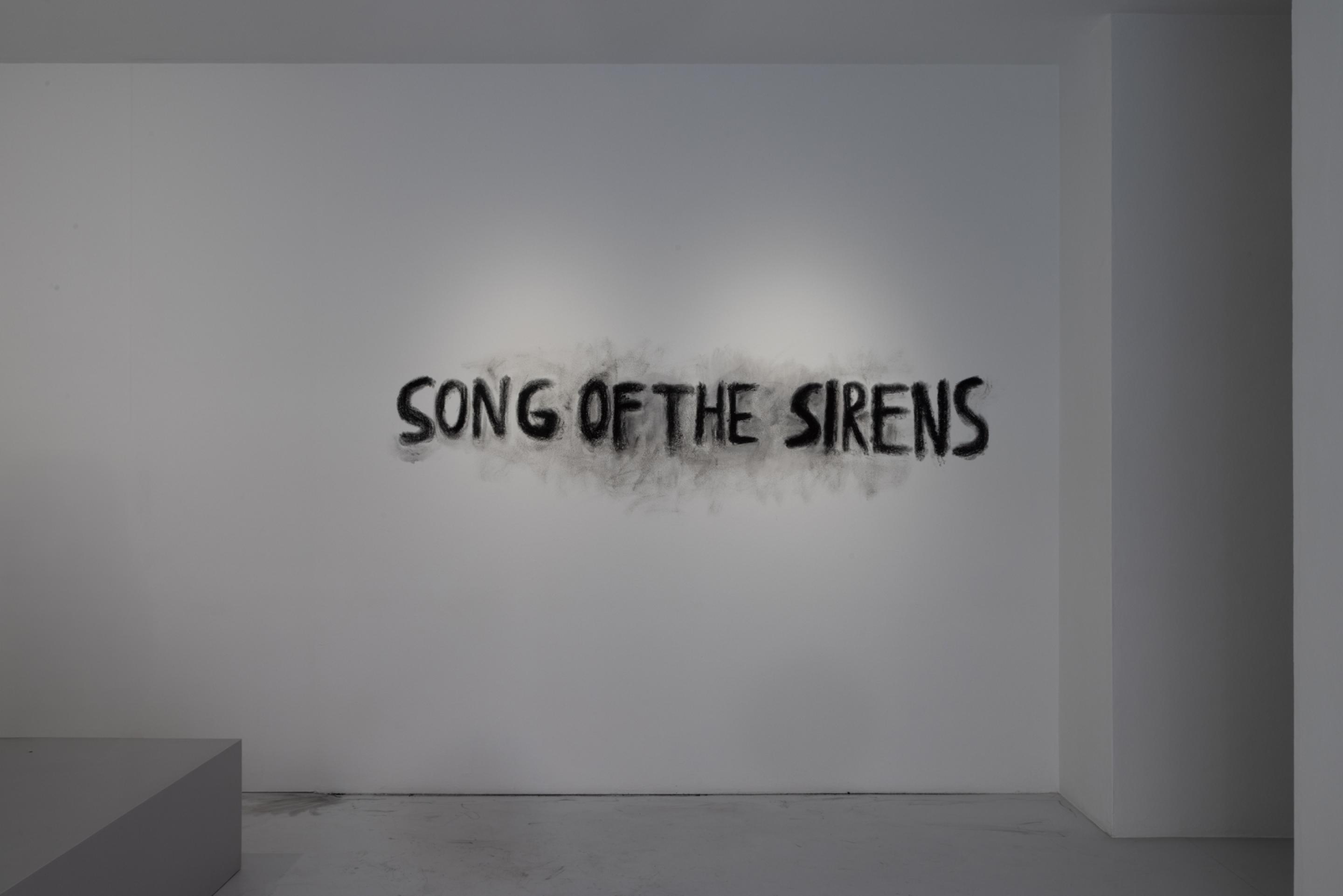
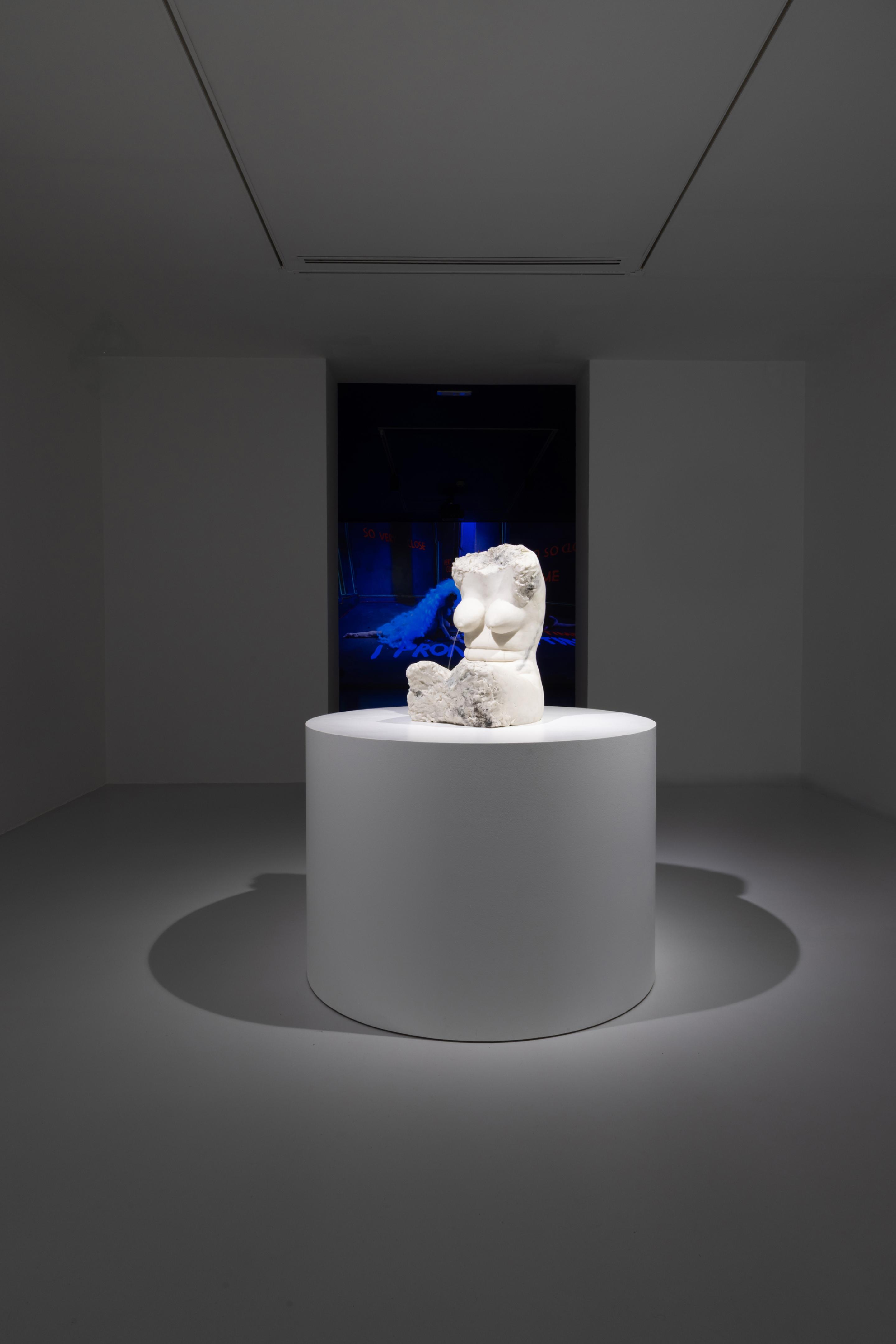
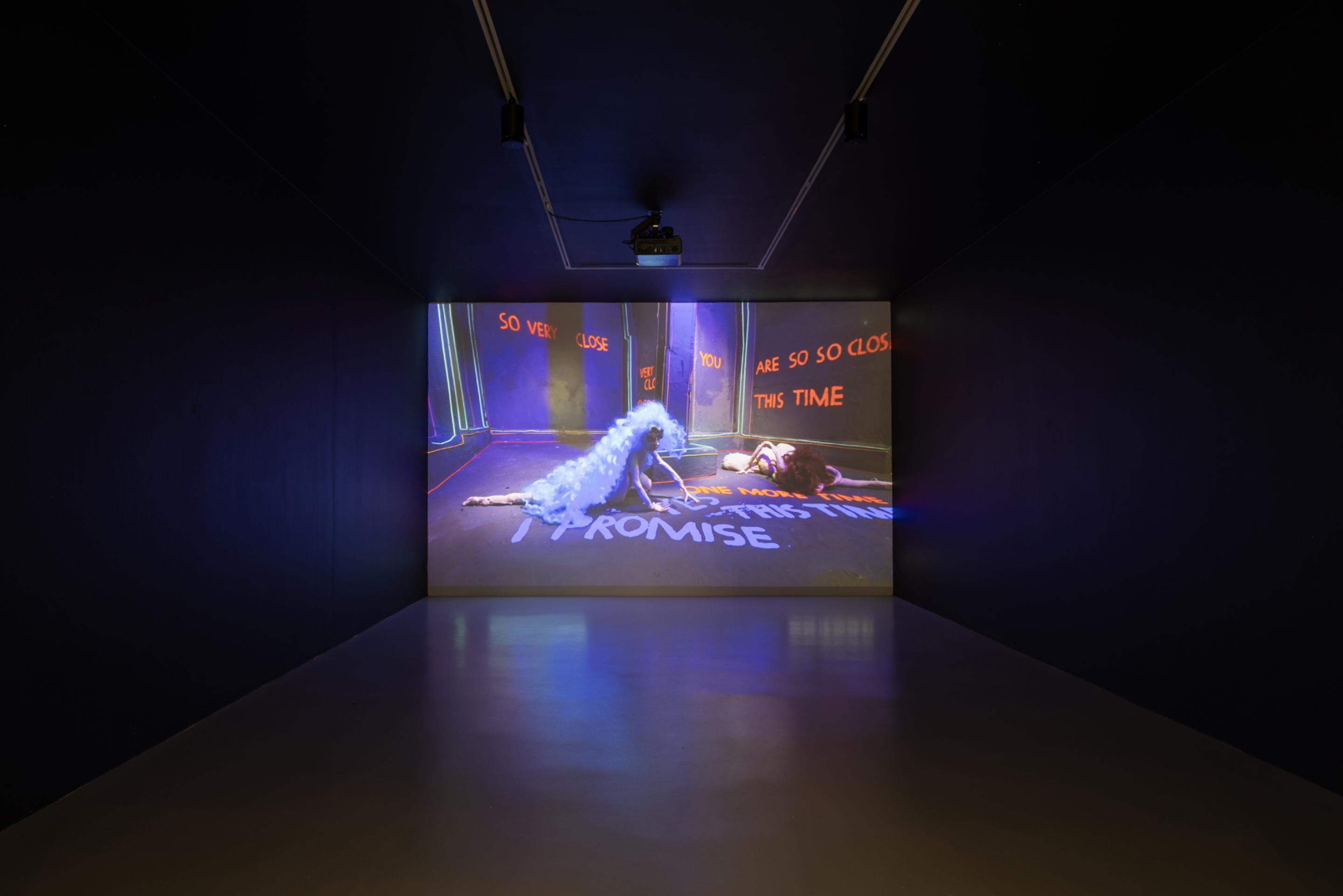
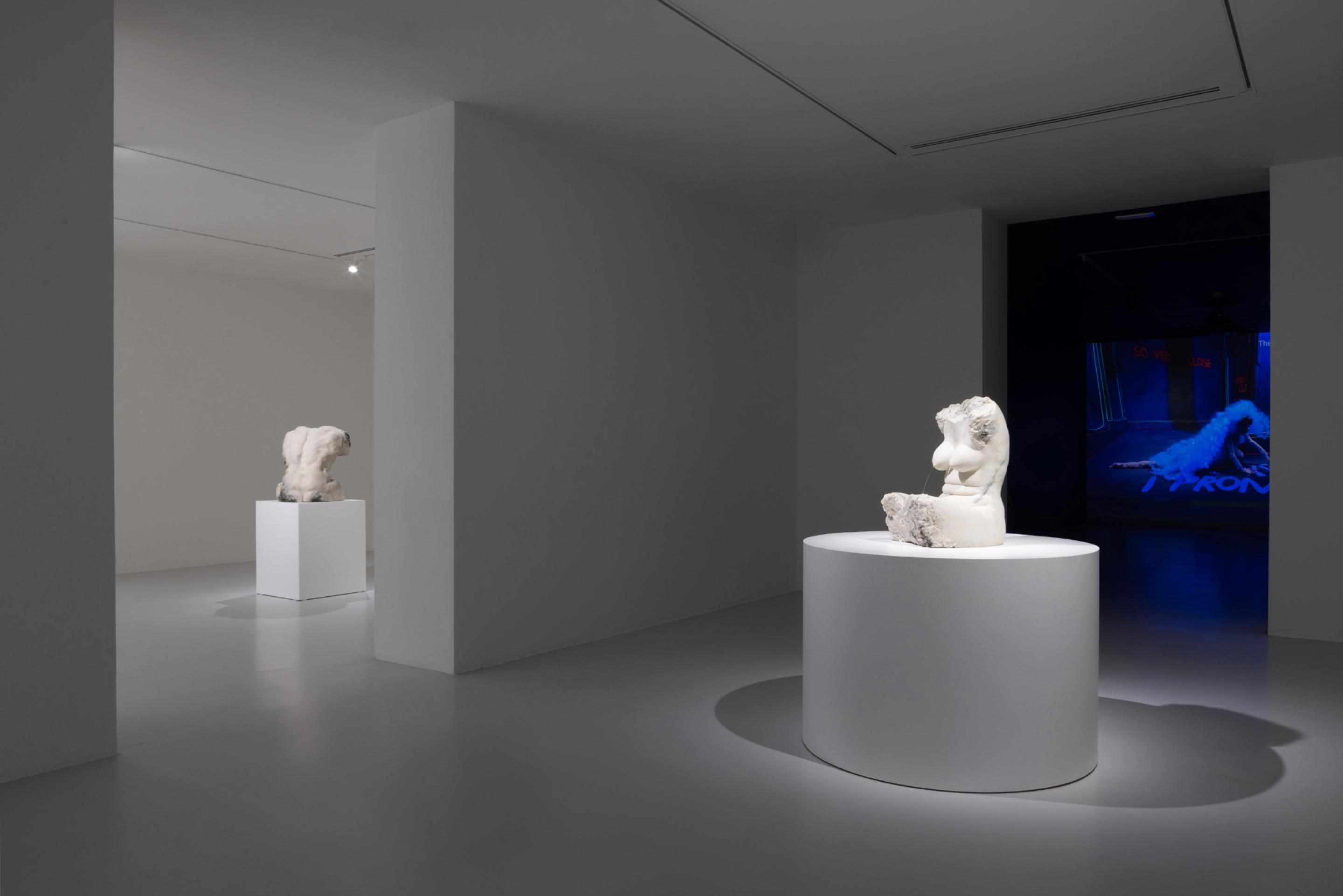
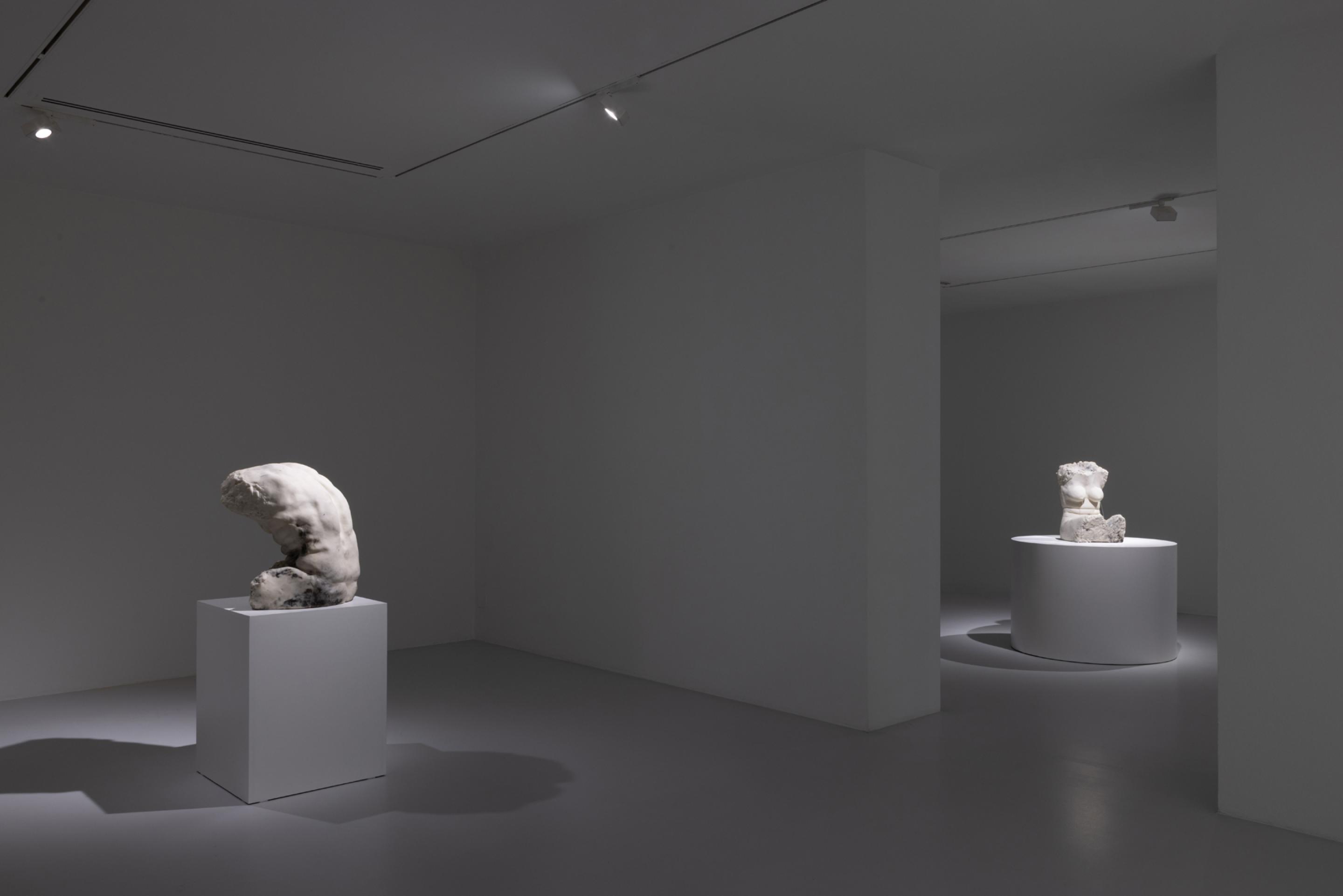
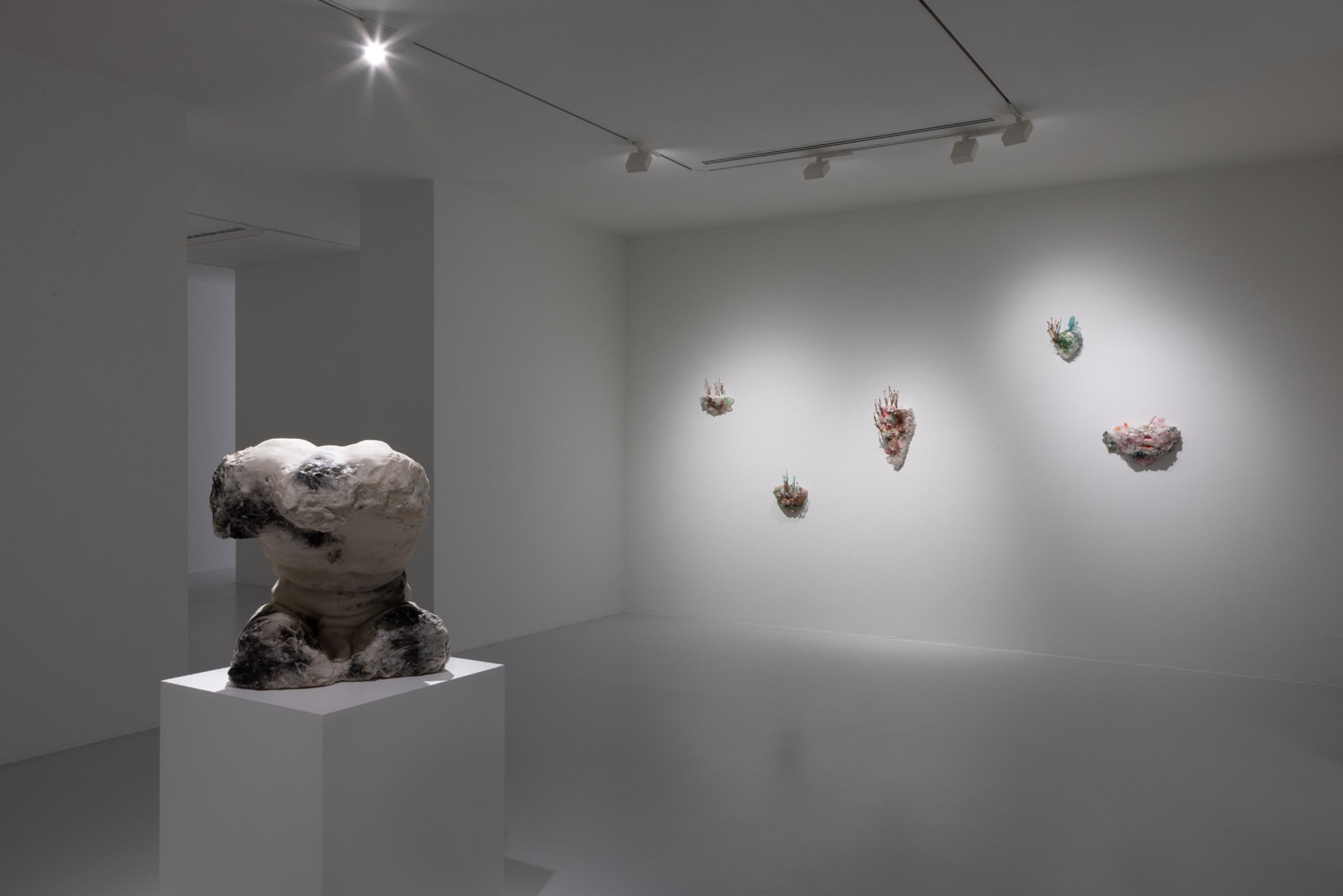
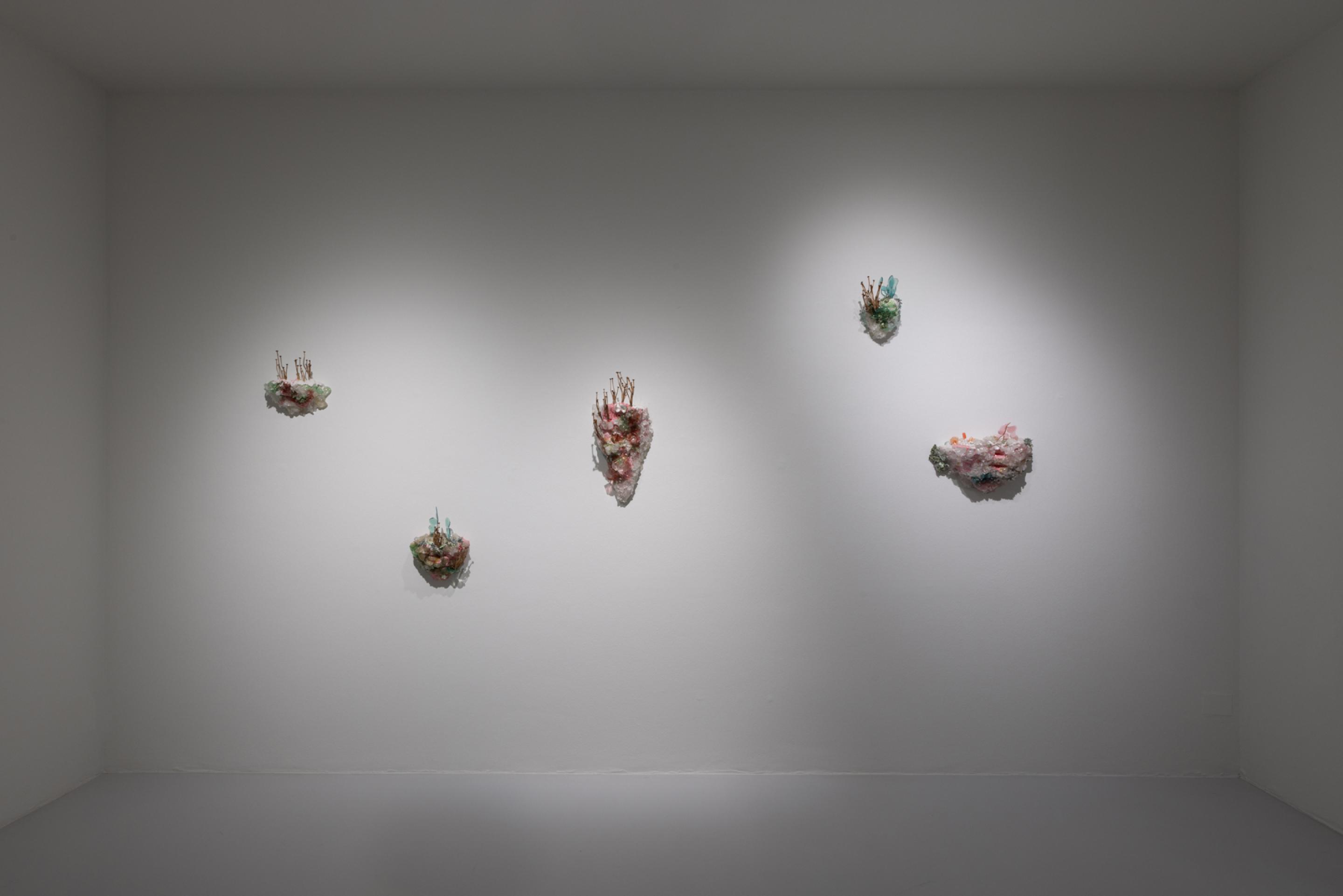
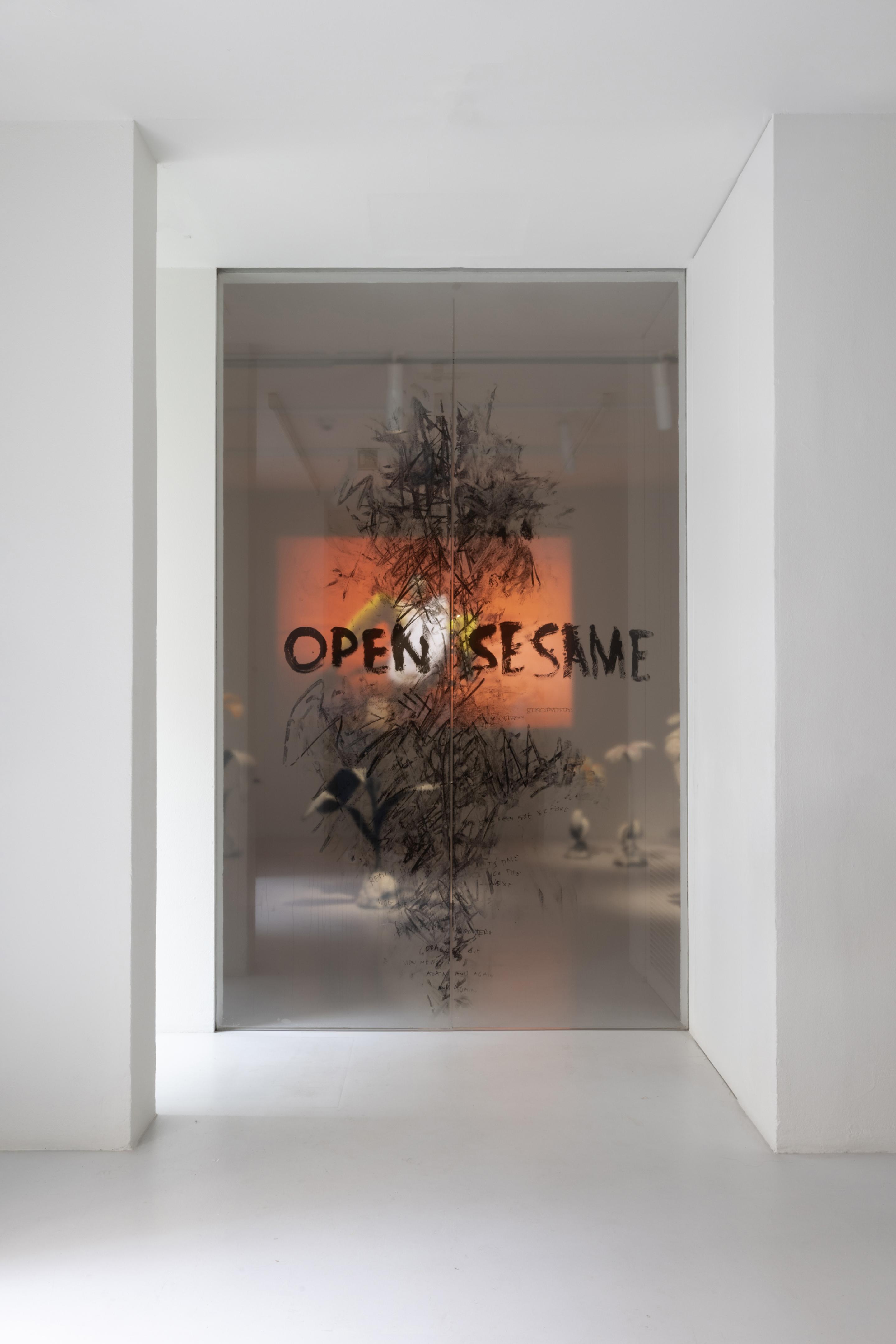
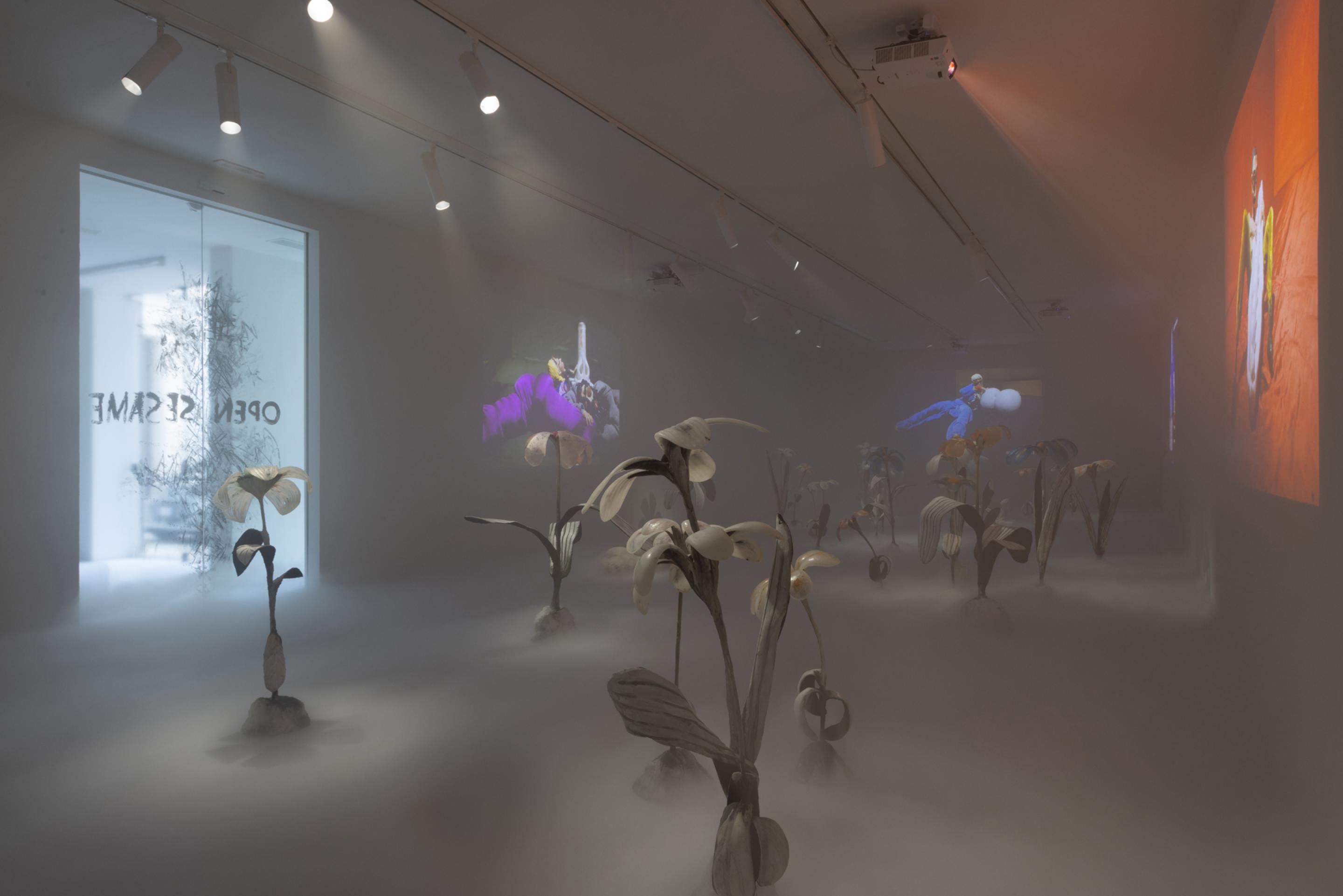
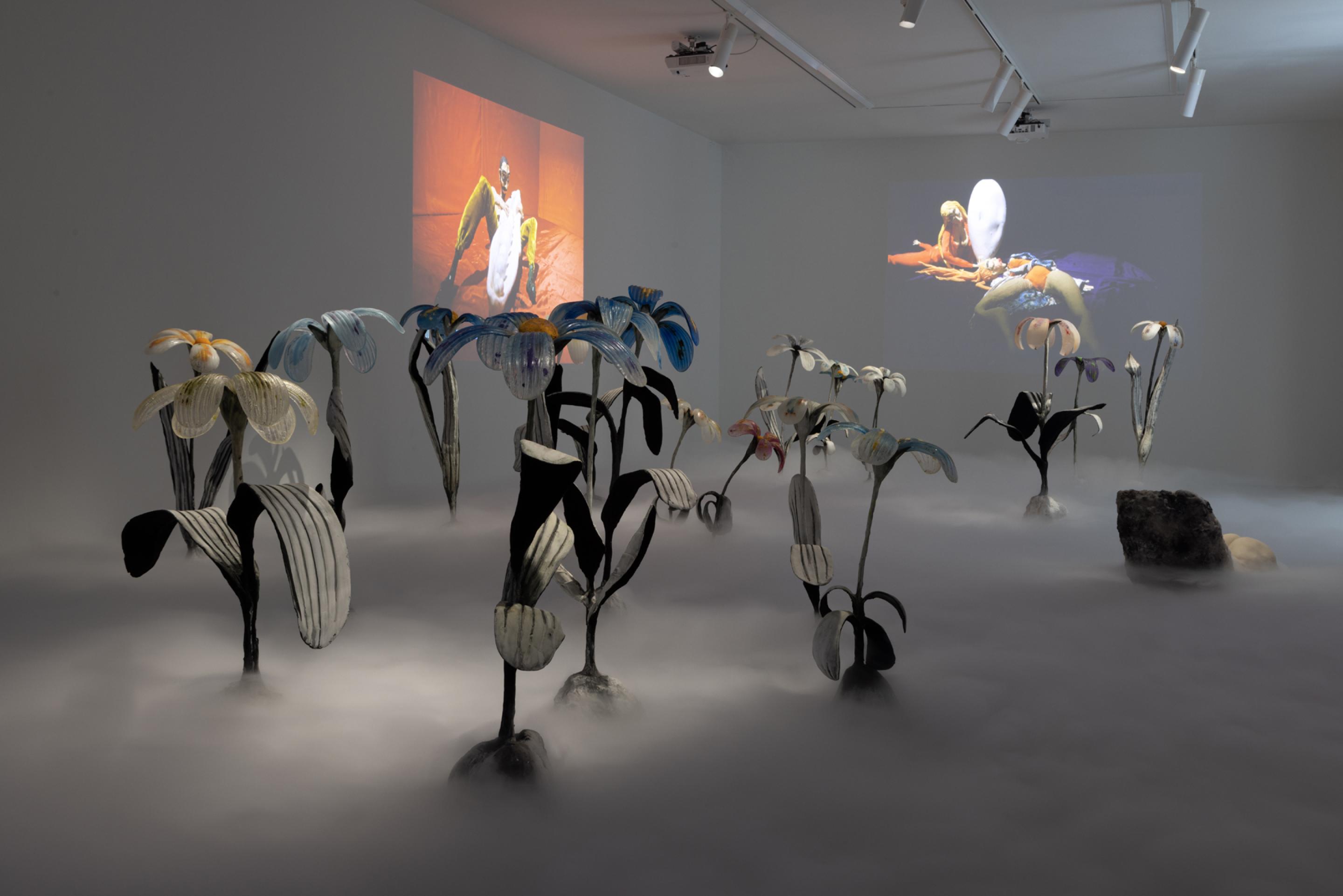
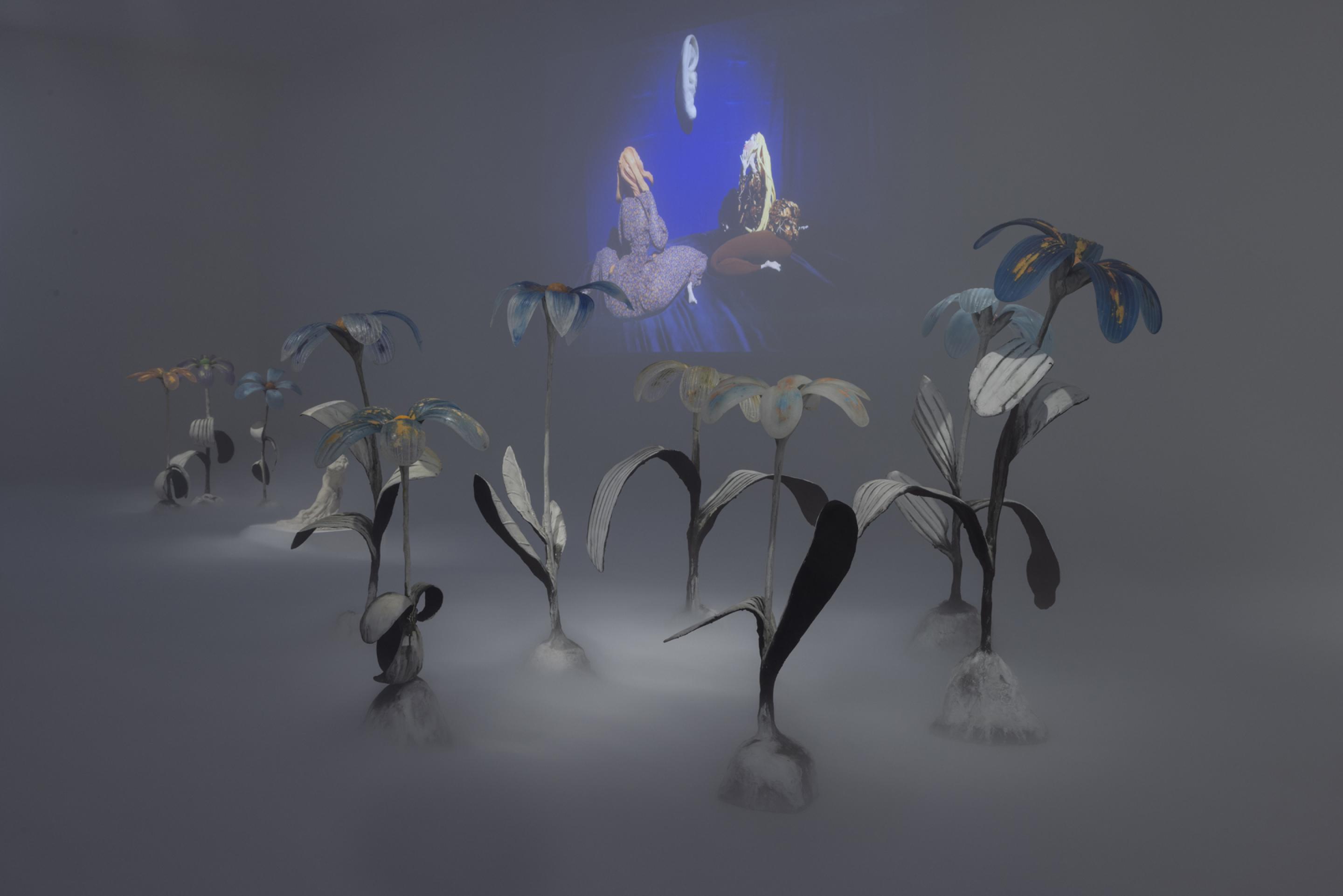
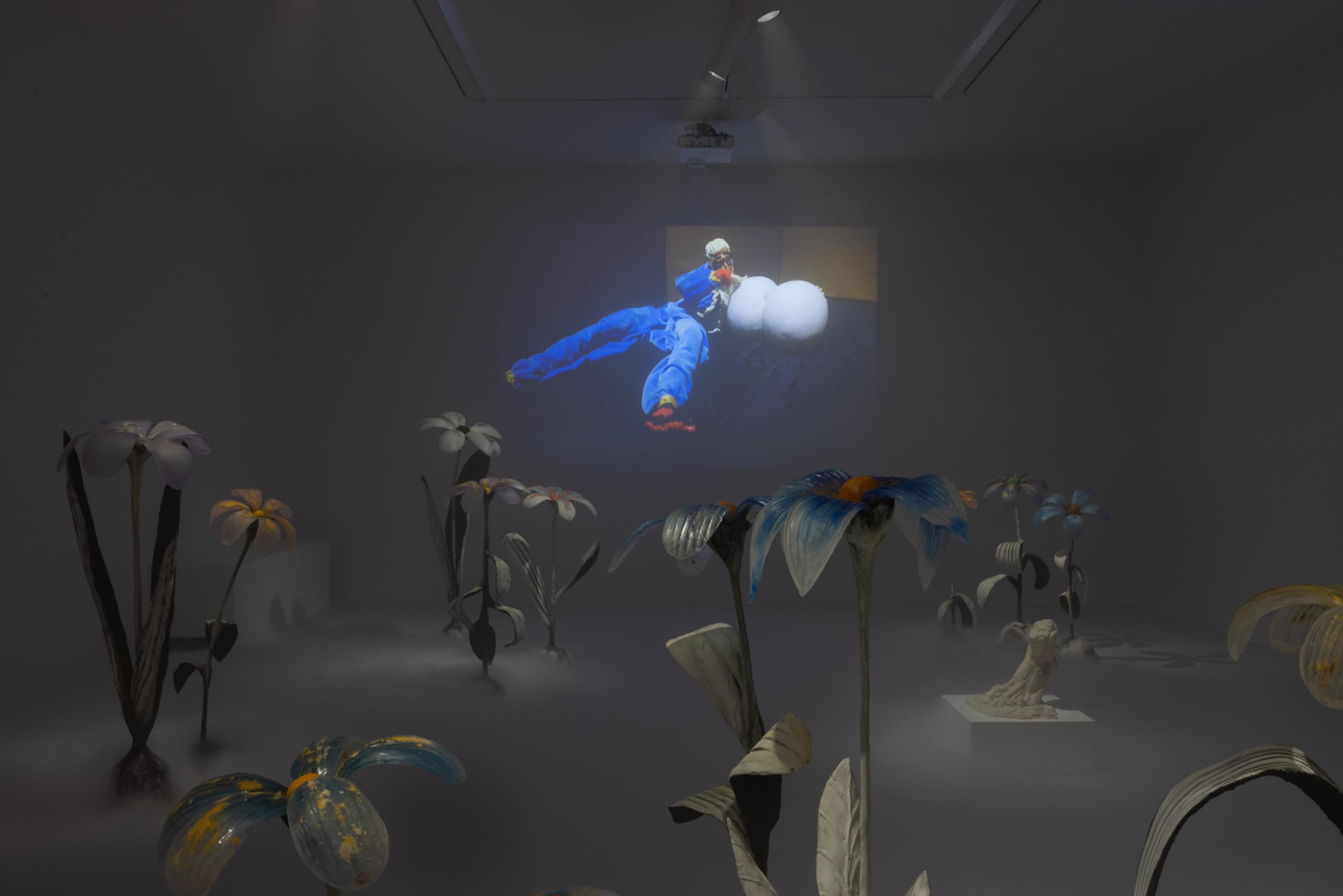
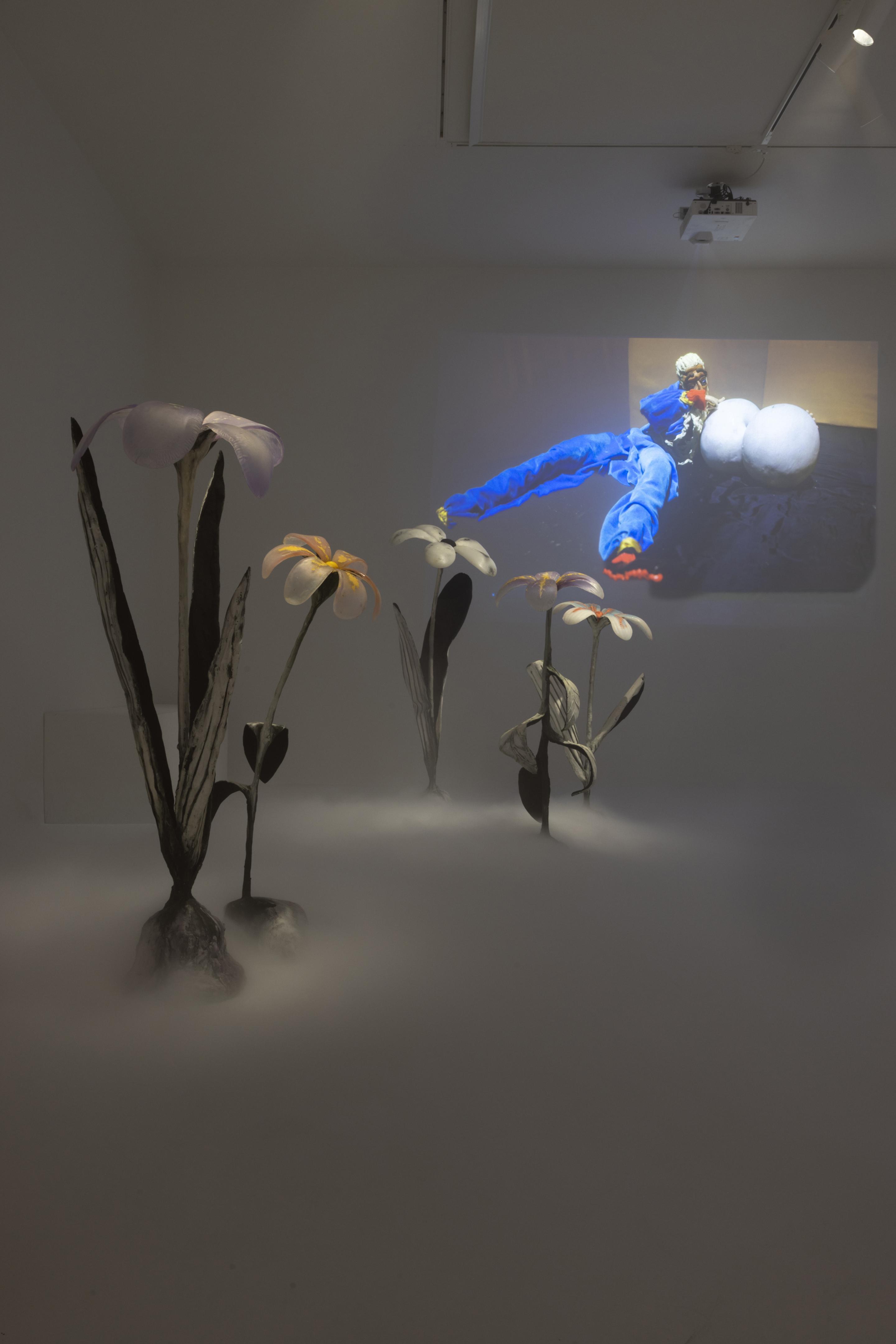
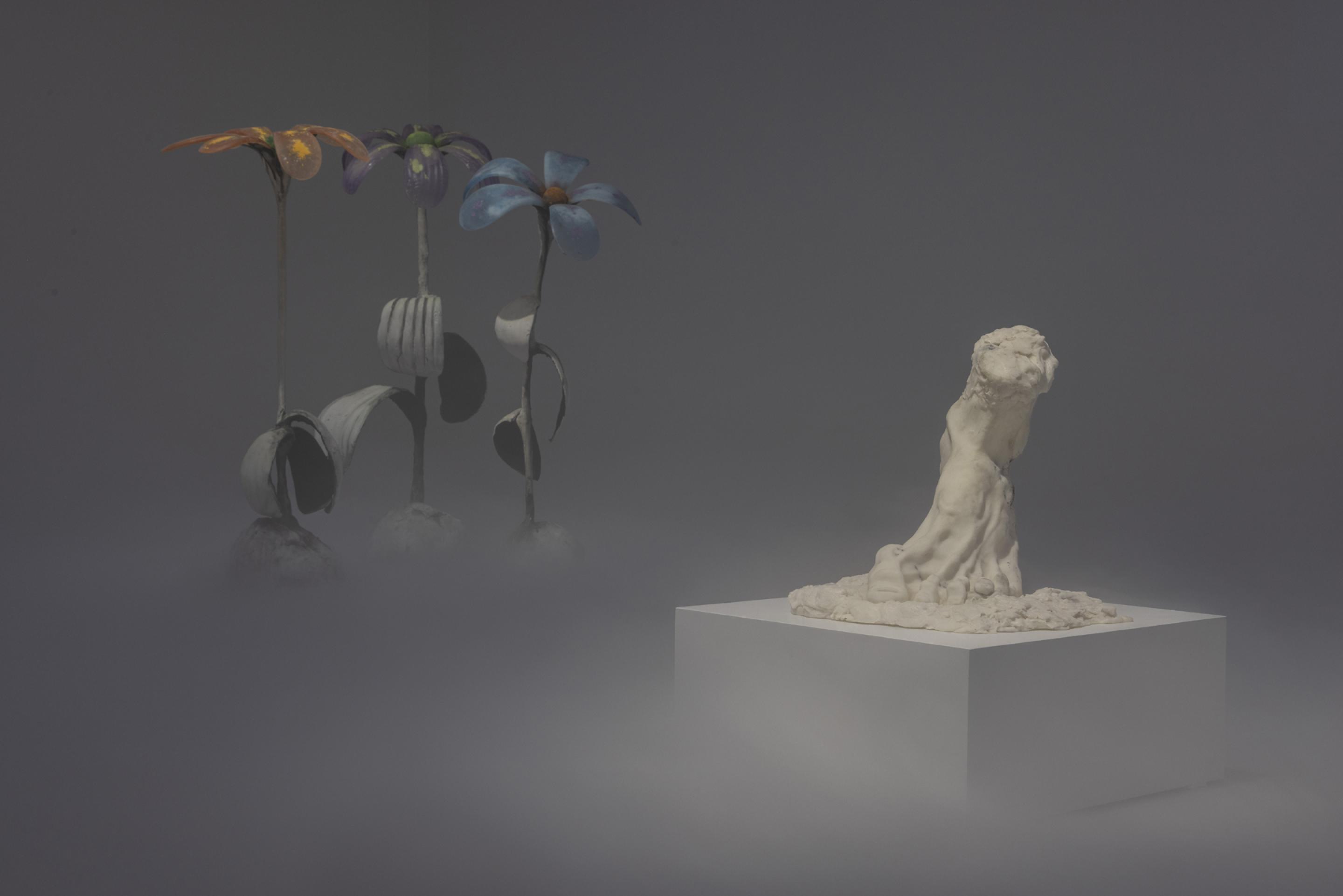
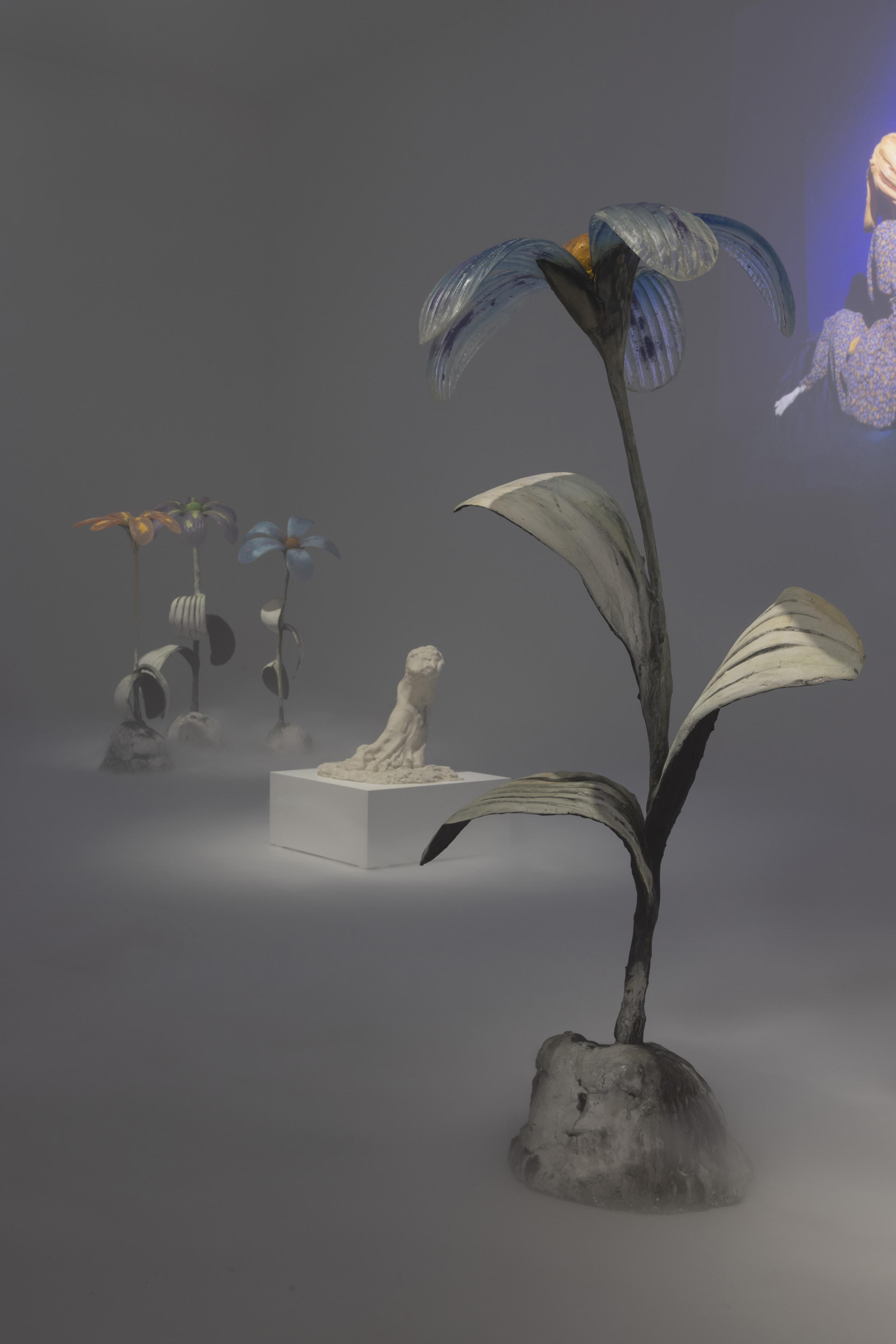
Immersed in semi-darkness, the exhibition unfolds through a series of stop-motion animations. Each film revolves around a single oversized sculptural element—a nose, an ear, a pair of buttocks—forms modelled in clay and rendered with a marble-like appearance, isolated and enlarged, deliberately altered and reinterpreted to enhance their evocative resonance. At once solemn and absurd, they seem to belong to a symbolic repertoire in which the body becomes fragment, relic, and enigma. The animations unfold through slow, ritualistic gestures, in a constant tension toward something that never fully materialises. Figures modelled in clay, whose features and physical attributes are intentionally exaggerated, orbit around these large anatomical fragments. Their presence contributes to the construction of an ambiguous and open-ended narrative, suspended between attraction and anticipation. Nothing reaches a conclusion, nothing fully reveals itself to the viewer: every action remains on the threshold of occurrence, held in a state of perpetual suspension that sustains desire rather than fulfilling it. Marble-like sculptures depicting fragments of the human body further punctuate the exhibition path, serving as points of orientation within an environment that oscillates between garden and vision, natural landscape and dreamlike scenario. Their forms translate and echo the anatomical motifs into a three-dimensional space that recur throughout the animations projected on the walls, establishing an ongoing dialogue between the gallery’s different rooms. Isolated, enlarged, and transformed bodily details reappear throughout the exhibition in different configurations, generating a recurring visual vocabulary that unifies the space and reinforces the sensation of inhabiting a suspended landscape, where images and objects seem to continuously mirror one another. Across the floor and along the walls, a field of monumental, oversized flowers punctuates the exhibition space. Emerging silently from a thin layer of mist, these forms transform the room into a garden suspended between reality and imagination. Their amplified scale alters the perception of the environment, contributing to a setting that is at once familiar and uncanny, where natural elements and fantastical visions coexist in a delicate state of balance.
Song of the Sirens points to longing rather than to the thing longed for. In this exhibition, the ‘siren’ becomes a metaphor for desire without a fixed object, a desire emancipated from possession and left open to possibility. It is that suspended moment between dusk and dawn when what one sees is not yet fully discernible, and imagination intervenes to complete what the eye cannot define. It is a space of suggestion, where desire is not shown but evoked, remembered, and transformed into narrative. Stories emerge from absence, fantasies intertwine with myth, and what appears unattainable finds a new dimension through image and fiction.
Desire becomes creature, becomes warning, becomes poetry. What appears forbidden in life becomes sacred in the act of telling.
Song of the Sirens
Opening: Wednesday, September 30, 2026; 6pm-9pm
October 1 – December 19, 2026
From Tuesday to Saturday; 11am-6pm
Gió Marconi, Via Tadino 15, Milano
Gió Marconi Gallery is pleased to present Song of the Sirens, Nathalie Djurberg and Hans Berg’s fifth solo exhibition with the gallery.
Continuing a longstanding dialogue and collaboration, the artists return to the historic spaces of Via Tadino 15, transforming the gallery into a landscape suspended between apparition and desire, memory and imagination.
Immersed in semi-darkness, the exhibition unfolds through a series of stop-motion animations. Each film revolves around a single oversized sculptural element—a nose, an ear, a pair of buttocks—forms modelled in clay and rendered with a marble-like appearance, isolated and enlarged, deliberately altered and reinterpreted to enhance their evocative resonance. At once solemn and absurd, they seem to belong to a symbolic repertoire in which the body becomes fragment, relic, and enigma. The animations unfold through slow, ritualistic gestures, in a constant tension toward something that never fully materialises. Figures modelled in clay, whose features and physical attributes are intentionally exaggerated, orbit around these large anatomical fragments. Their presence contributes to the construction of an ambiguous and open-ended narrative, suspended between attraction and anticipation. Nothing reaches a conclusion, nothing fully reveals itself to the viewer: every action remains on the threshold of occurrence, held in a state of perpetual suspension that sustains desire rather than fulfilling it. Marble-like sculptures depicting fragments of the human body further punctuate the exhibition path, serving as points of orientation within an environment that oscillates between garden and vision, natural landscape and dreamlike scenario. Their forms translate and echo the anatomical motifs into a three-dimensional space that recur throughout the animations projected on the walls, establishing an ongoing dialogue between the gallery’s different rooms. Isolated, enlarged, and transformed bodily details reappear throughout the exhibition in different configurations, generating a recurring visual vocabulary that unifies the space and reinforces the sensation of inhabiting a suspended landscape, where images and objects seem to continuously mirror one another. Across the floor and along the walls, a field of monumental, oversized flowers punctuates the exhibition space. Emerging silently from a thin layer of mist, these forms transform the room into a garden suspended between reality and imagination. Their amplified scale alters the perception of the environment, contributing to a setting that is at once familiar and uncanny, where natural elements and fantastical visions coexist in a delicate state of balance.
Song of the Sirens points to longing rather than to the thing longed for. In this exhibition, the ‘siren’ becomes a metaphor for desire without a fixed object, a desire emancipated from possession and left open to possibility. It is that suspended moment between dusk and dawn when what one sees is not yet fully discernible, and imagination intervenes to complete what the eye cannot define. It is a space of suggestion, where desire is not shown but evoked, remembered, and transformed into narrative. Stories emerge from absence, fantasies intertwine with myth, and what appears unattainable finds a new dimension through image and fiction.
Desire becomes creature, becomes warning, becomes poetry. What appears forbidden in life becomes sacred in the act of telling.